This journey takes me through different areas of focus, where I apply my skills and continuously learn to provide effective solutions.

Design and development of web applications, backend systems, databases, and integrations that connect data, tools, and business processes into scalable digital solutions.

Interested in applying data-driven methods for process analysis and optimization, with a focus on Lean, Six Sigma, and other methodologies.

Focused on practical applications of simulation modeling, optimization, numerical methods, mathematical models, and computational approaches used to solve real-world problems.

Driven by a passion for automating processes and utilizing AI to enhance efficiency across various business areas, improving operations and enabling smarter decision-making.

Fascinated by cybersecurity, actively exploring network security, OSINT, and ethical hacking, while developing skills to safeguard digital systems and mitigate risks effectively.

Exploring mathematical structures, process algebra, graph theory, optimization, and abstract models used to describe, analyze, and improve complex systems and business processes.

This portfolio is a reflection of my journey through various projects. Each one has taught me something new and helped me grow, both in skills and understanding.
CREATOR AND MAINTAINER OF WEBSITE PLATFORM FOR A REAL ESTATE FRANCHISE NETWORK AND CUSTOMER RELATIONSHIP MANAGEMENT SYSTEM (CRM)
The Customer Relationship Management (CRM) system and website are actively used by the INVESTMENT NieruchomoĆci office, now expanding into a franchise network.
The integration layer connects website and CRM operations with partner offices abroad and key listing platforms in Poland.
Website is available at:
Algebra of Knowledge Spaces in Ontology
A research study on algebraic knowledge-space structures within ontology design. The paper develops a structural perspective for organizing and transforming knowledge relations in formal semantic systems.
Knowledge Space Manifestations
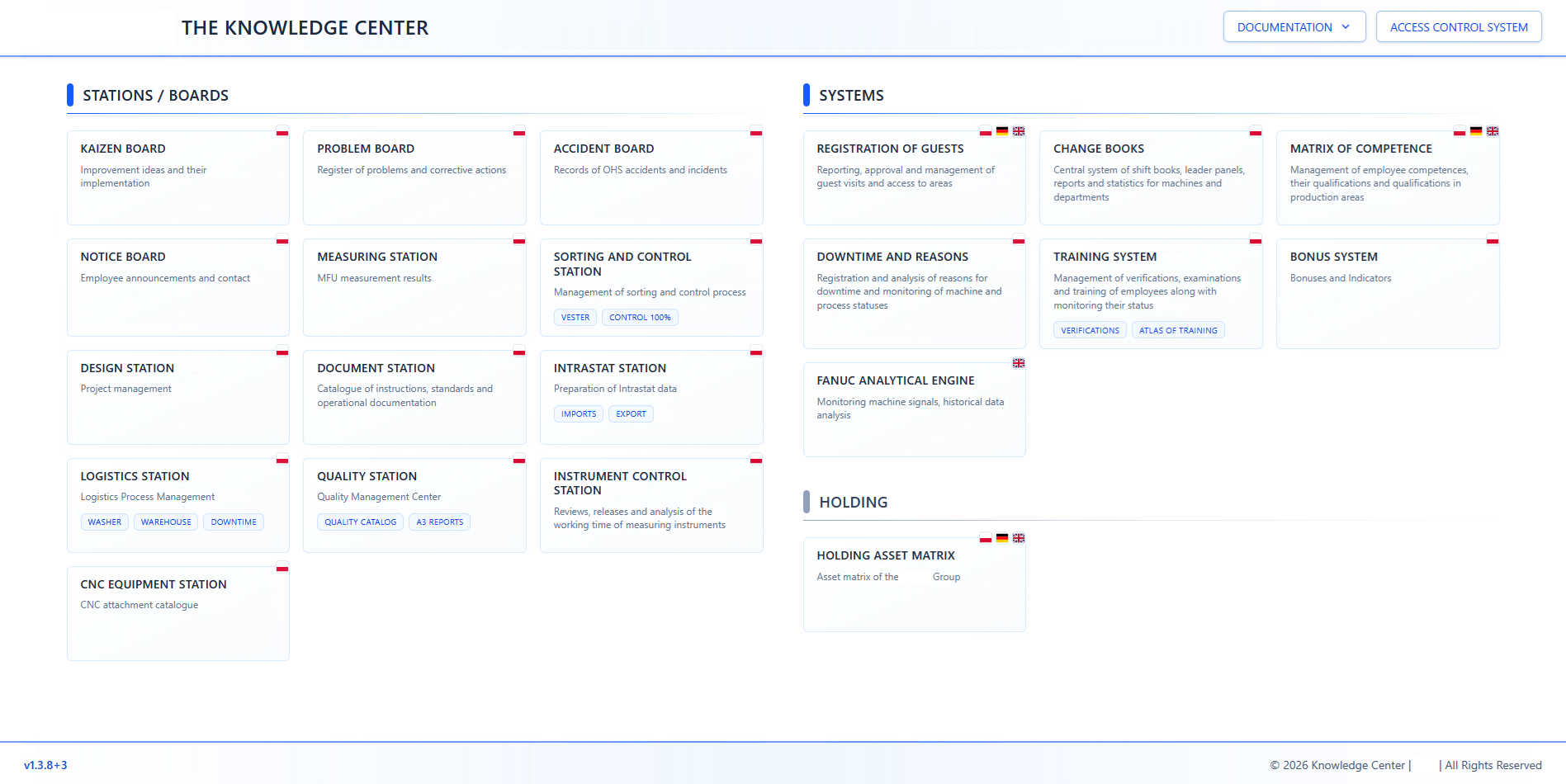
Knowledge Center application view presenting a practical implementation of structured knowledge spaces.
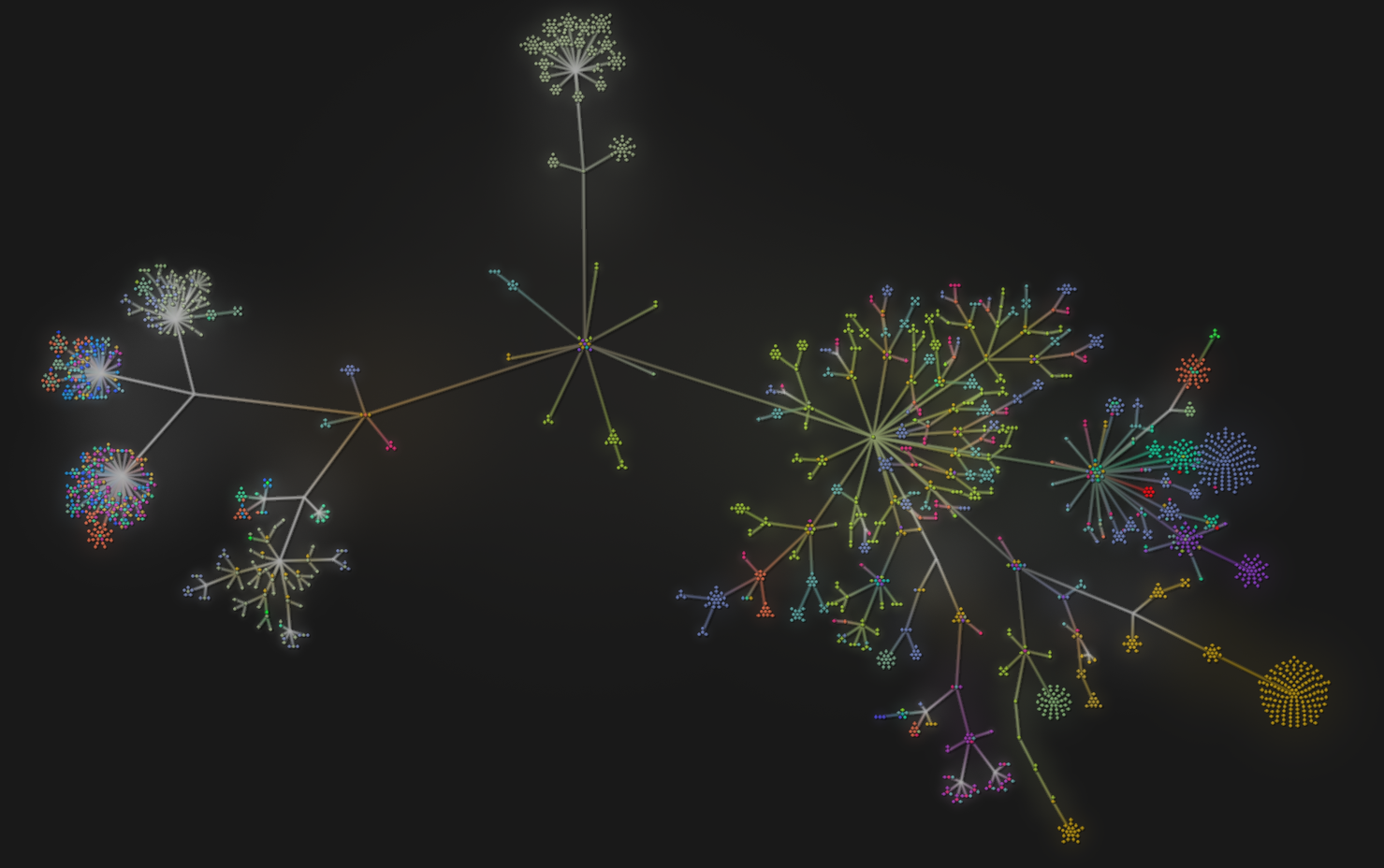
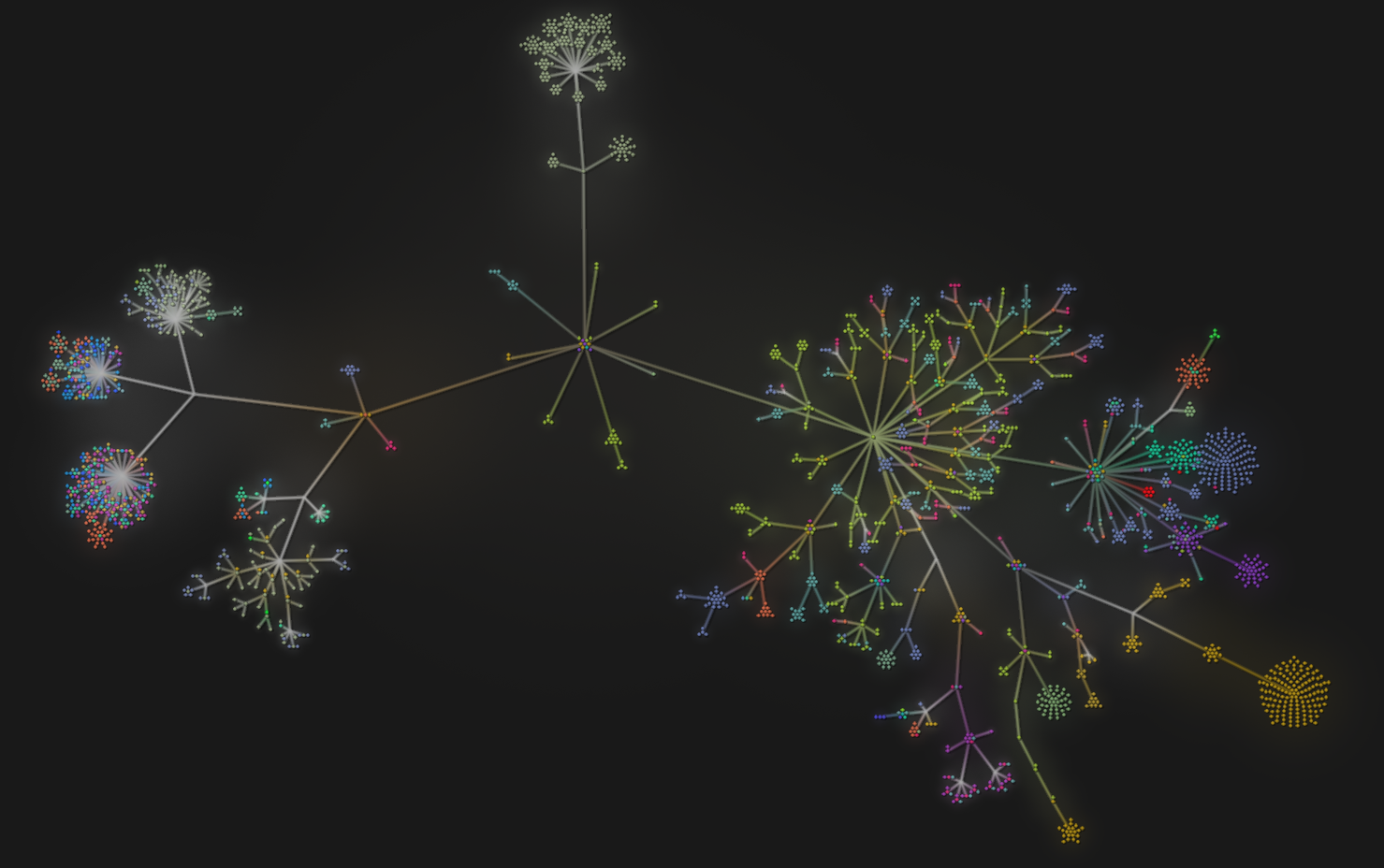
Hierarchical map of operational knowledge domains, where each area maintains its own structured information space and document context.
Focused domain view combining current operational knowledge with historical domain context for continuity and traceability.
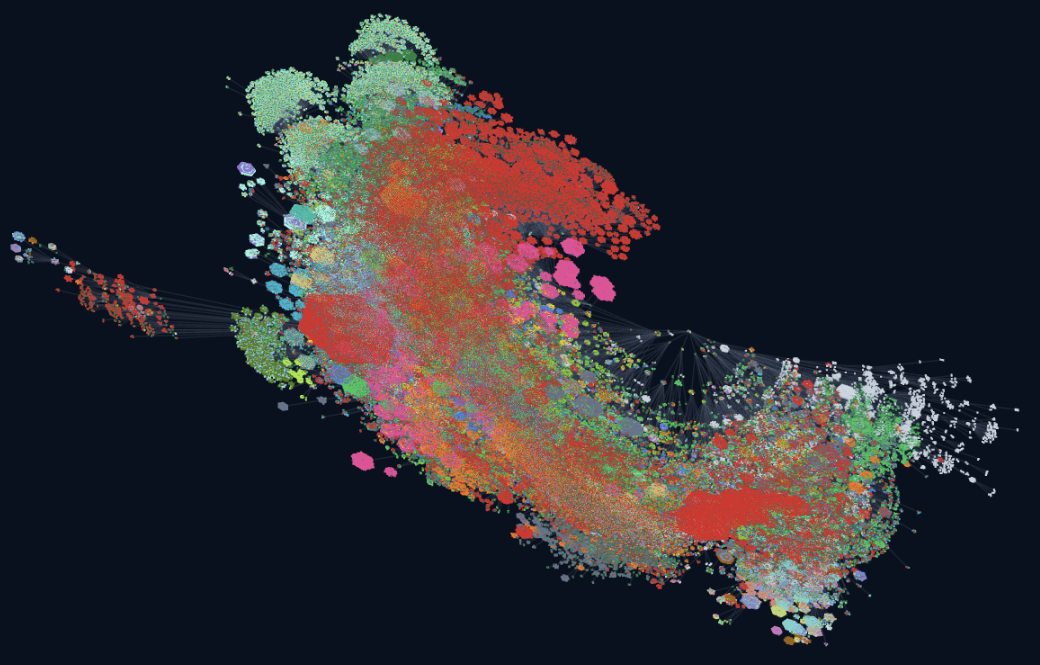
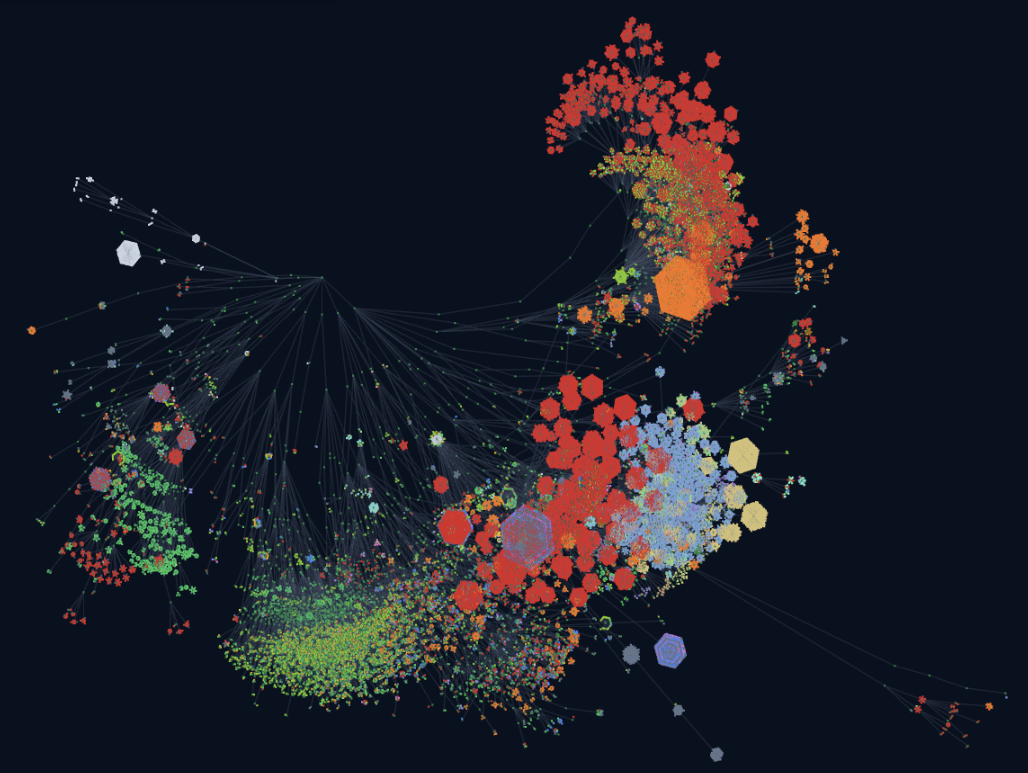
Large-scale view of a network drive structure with more than 800,000 files and folders, interpreted as a knowledge space built from organizational artifacts.
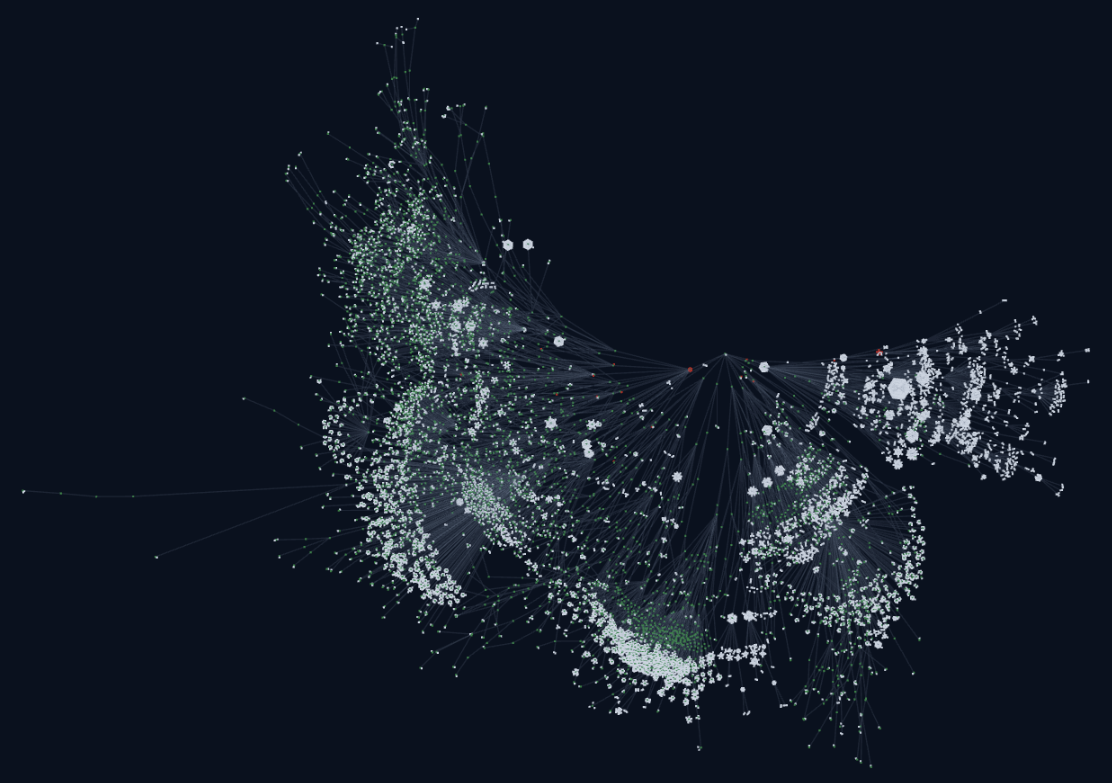
A sectional slice of the same space limited to folders only, revealing the hierarchical ontology that organizes the structure.
A slice of empty folders, highlighting areas where no immersion into the ontology has yet been applied.
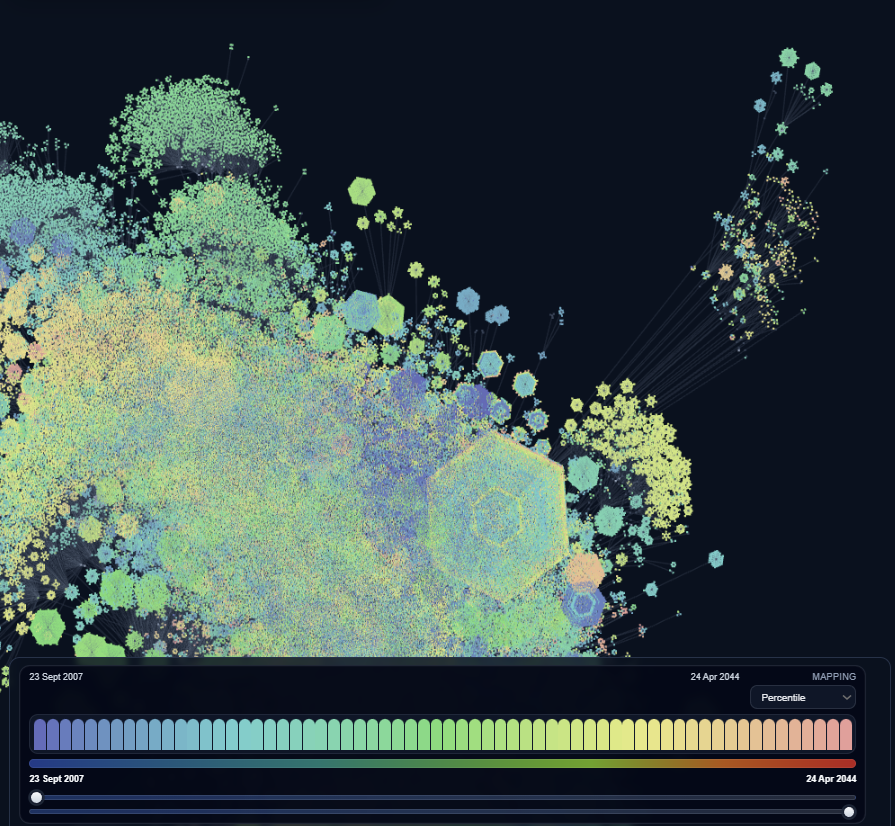
A fragment of the space organized by file and folder age, exposing temporal patterns related to knowledge activity and aging.
A sectional view of the space for the searched phrase QS (Quality Control), exposing the domain structure selected through the classification context.
Algebraic Approach to Process Representation
A conceptual and formal exploration of process representation through algebraic structures. This work focuses on building a consistent symbolic language for modeling process states, transitions and dependencies in complex systems.
Knowledge Center
KnowledgeCenter is a modular platform for operational data and business processes. It consolidates information from production, quality, logistics, maintenance, and HR into a single source of truth, enabling faster decisions, transparent management, and repeatable continuous improvement.

Objectives
Philosophy
In KnowledgeCenter, the starting point is people and their everyday work. The tools are designed to adapt to users, not force extra tasks. Each module is built to reduce repetitive manual activities, support decision-making, remove barriers, and provide quick access to the right information. As a result, KnowledgeCenter works as a practical assistant embedded in real processes and supporting a culture of continuous improvement.
Added Value
KnowledgeCenter is more than a set of digital tools. By combining Lean and Six Sigma principles with modern software solutions, it introduces a new operating standard for managing knowledge and processes.
Innovation
This is not only digitalization, but organizational innovation that improves information flow, collaboration, and sustainable improvement across the company.
Knowledge Center application view presenting a practical implementation of structured knowledge spaces.
Hierarchical map of operational knowledge domains, where each area maintains its own structured information space and document context.
KnowledgeCenter already reduces more than 3,000 labor hours per year compared with previous process execution, by improving and accelerating the same operational workflows. Estimated based on process time reductions across implemented workflows. Beyond shortening the duration of real operational processes, it also enables new activities that were previously too time-consuming and practically impossible to execute consistently. It provides immediate access to actionable knowledge across multiple topics, where obtaining the same visibility before was time-intensive and often practically unfeasible. It is a working organizational asset that continues to deliver savings and value even when I am not present.